


If you need to furnish your professional activity, here is a space dedicated to you.

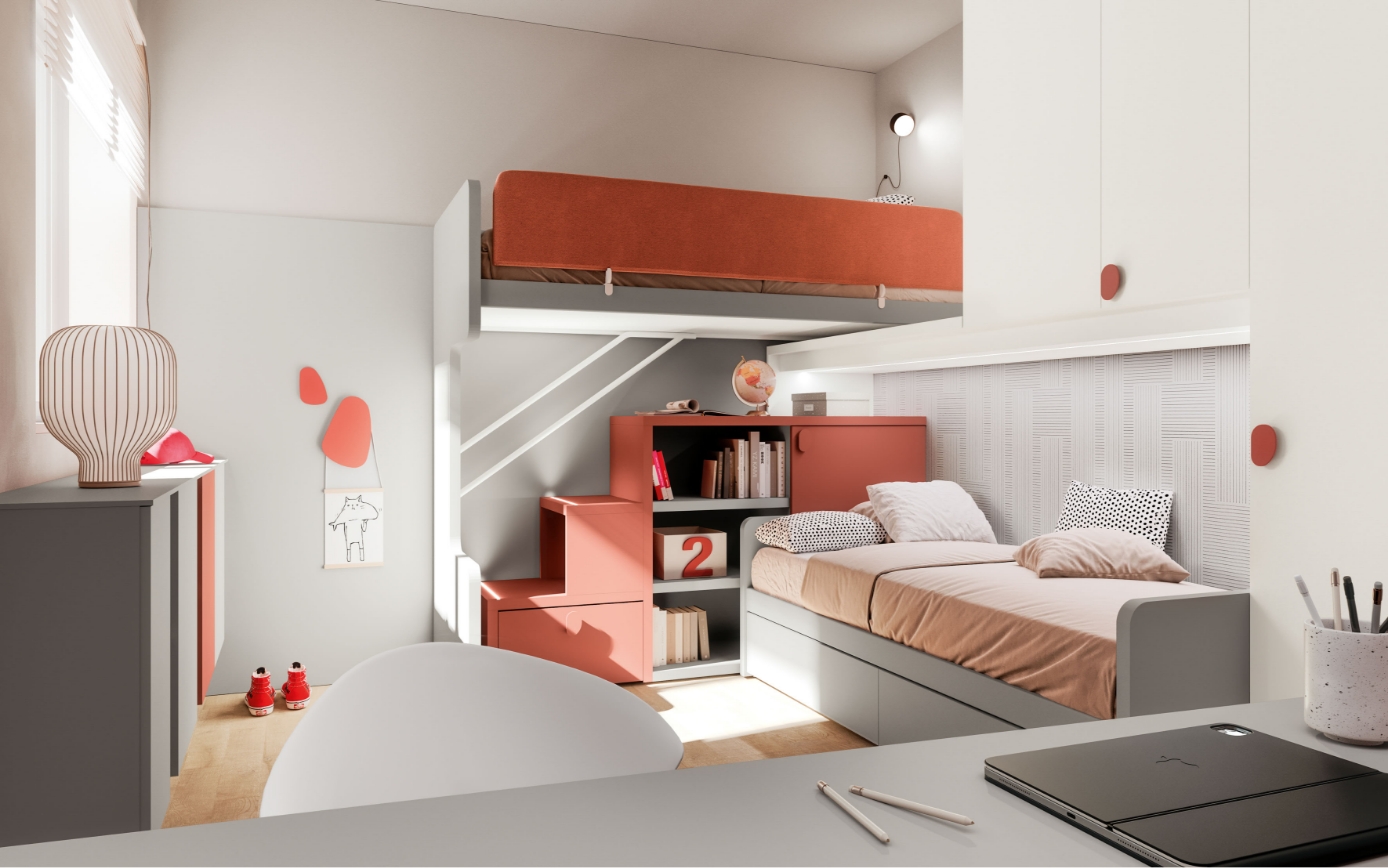
Designing a nursery means imagining a space destined to change over time. In the first months of life, it's an environment designed primarily to meet the needs of parents, with functional and safe furnishings dedicated to caring for the newborn. As the years pass, however, the room transforms: it becomes a place for play, for early homework, and for hobbies, until it becomes a personal space for studying, relaxing, and cultivating one's interests.
This is why today we're increasingly talking about a growth-enhancing nursery: a furnishing project that can adapt to the different stages of growth without needing to be completely redesigned every few years. Some elements, like a crib or changing table, are tied to the early years of life; others, however, represent a lasting investment, like a well-designed wardrobe, a modular bookcase, or a desk that can last a child well into adolescence.
In this guide, we explore how needs, functions, and furnishing solutions change across different age groups, from birth to 18 and beyond, with practical tips for designing a bedroom that can evolve with the child's needs.
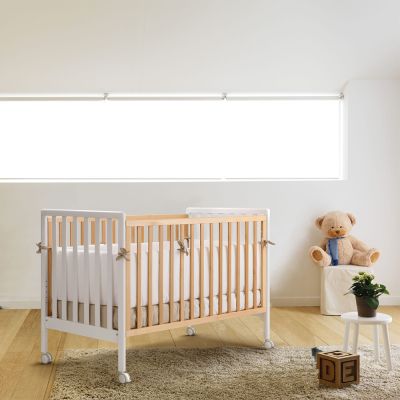
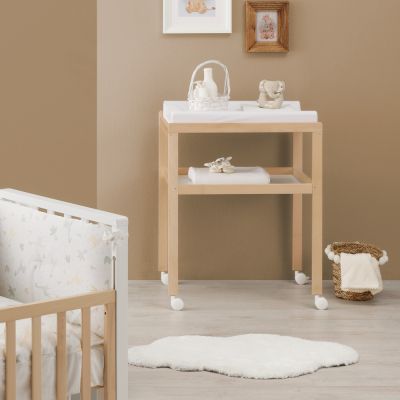
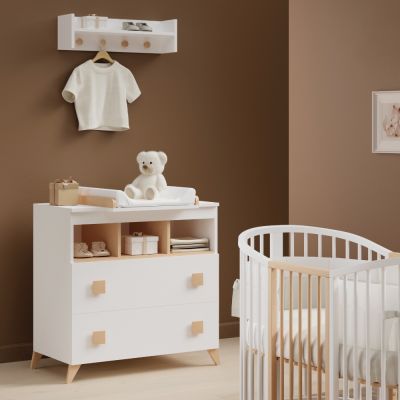
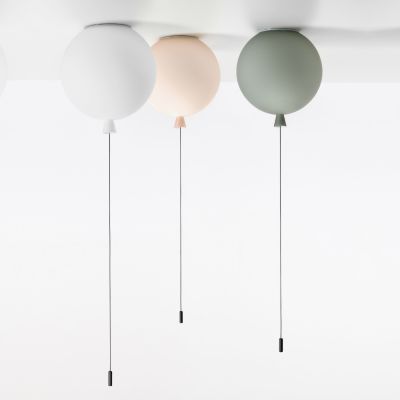
In the early years, the nursery is a shared space between parents and newborn. Every choice should prioritize safety, functionality, and quality materials. Special attention should also be paid to certified finishes and rounded corners. As for colors, it's best to opt for neutral, soothing palettes (such as dove gray, sage, sand, or cream) that can be easily updated over the years without having to completely repaint the room. Decorations can evoke childhood through textiles, paintings, and accessories featuring stars, teddy bears, hot air balloons, or animals, while avoiding overly permanent elements.
There's no one-size-fits-all age, but generally the transition occurs between the ages of 2 and 4, when the child begins to develop more independence. If the bedroom is designed with safe, child-friendly furniture, the transition can become a positive moment that fosters independence and responsibility.
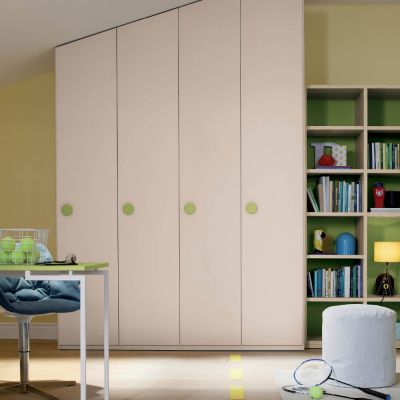
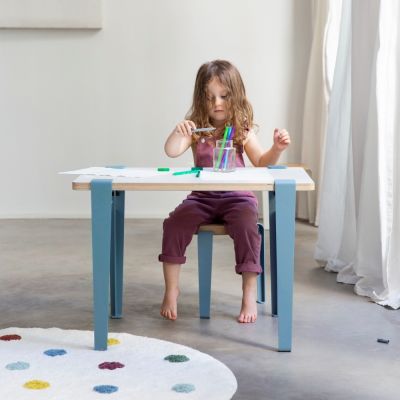
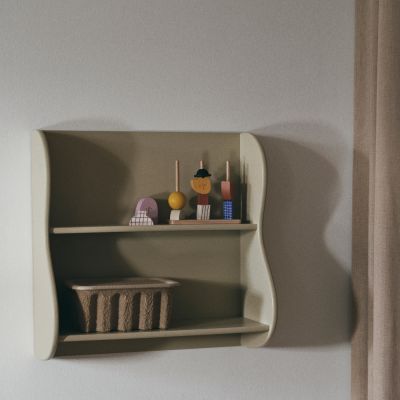
As children grow, their daily needs also change. The bedroom becomes a place for play, creativity, and early homework. The crib gives way to a single bed, while accessible shelves , a small desk or table for drawing, and easily accessible storage spaces become increasingly important.
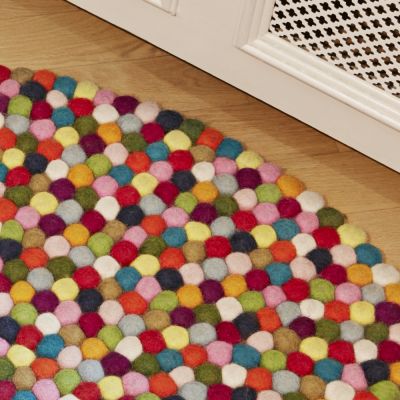
At this stage, it's important to encourage independence: well-proportioned furniture, organized spaces, and storage systems help children manage toys, books, and school supplies. Rugs, poufs, accessories, and other easily updated furnishings can also be helpful to complete the space.
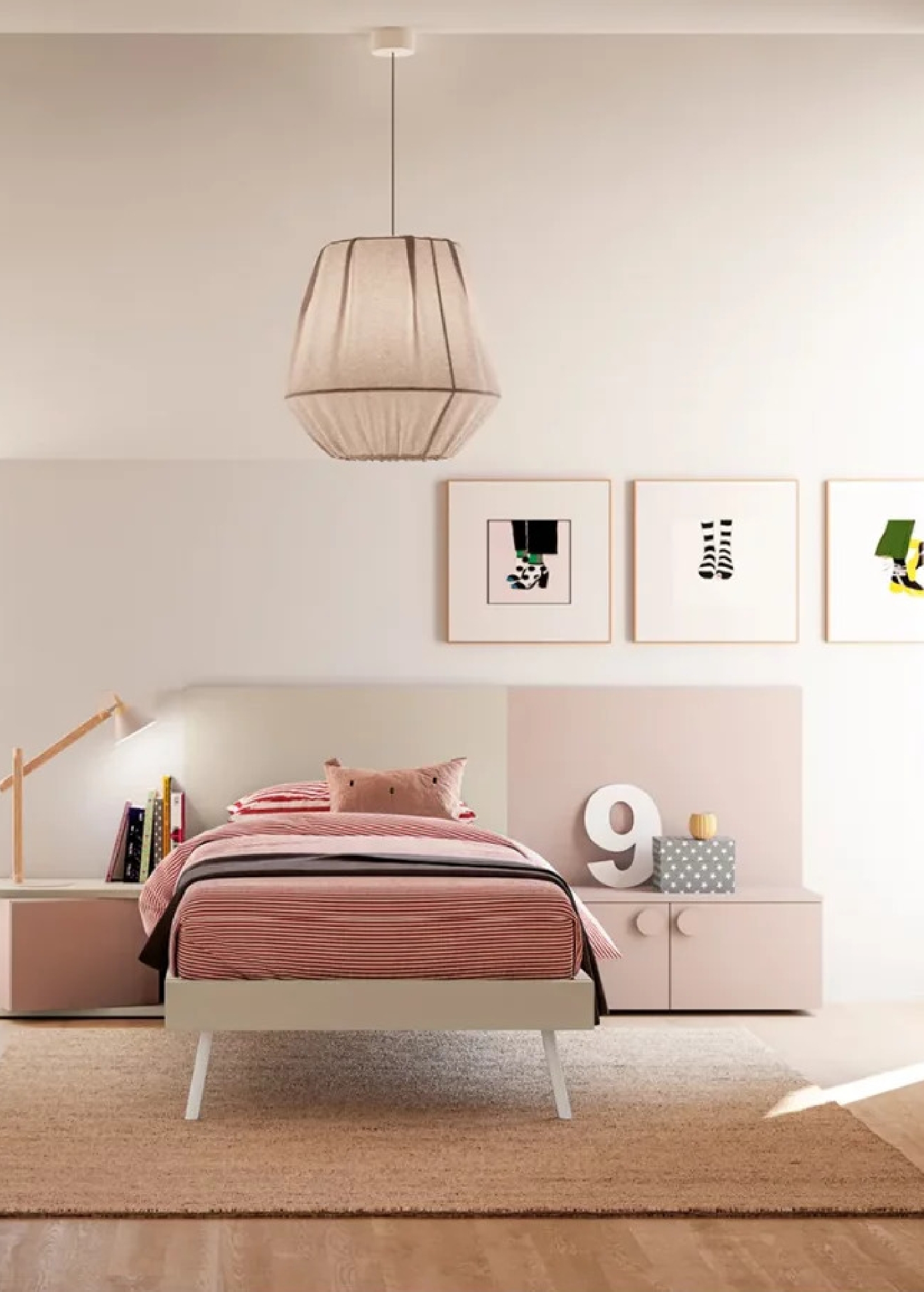
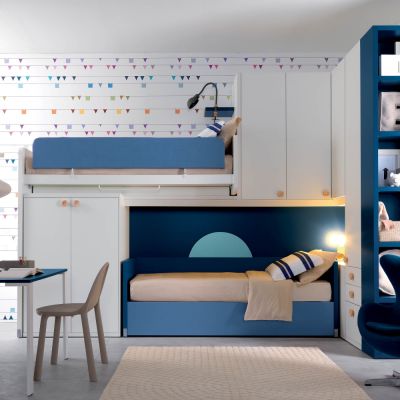
When a bedroom is shared by two or more siblings, space-saving solutions allow even the smallest spaces to be maximized, transforming the furniture arrangement into a design element that can adapt to the family's needs. The goal is not just to fit more beds into the room, but to create a functional environment where each child can have their own space for sleeping, playing, studying, and organizing their belongings.
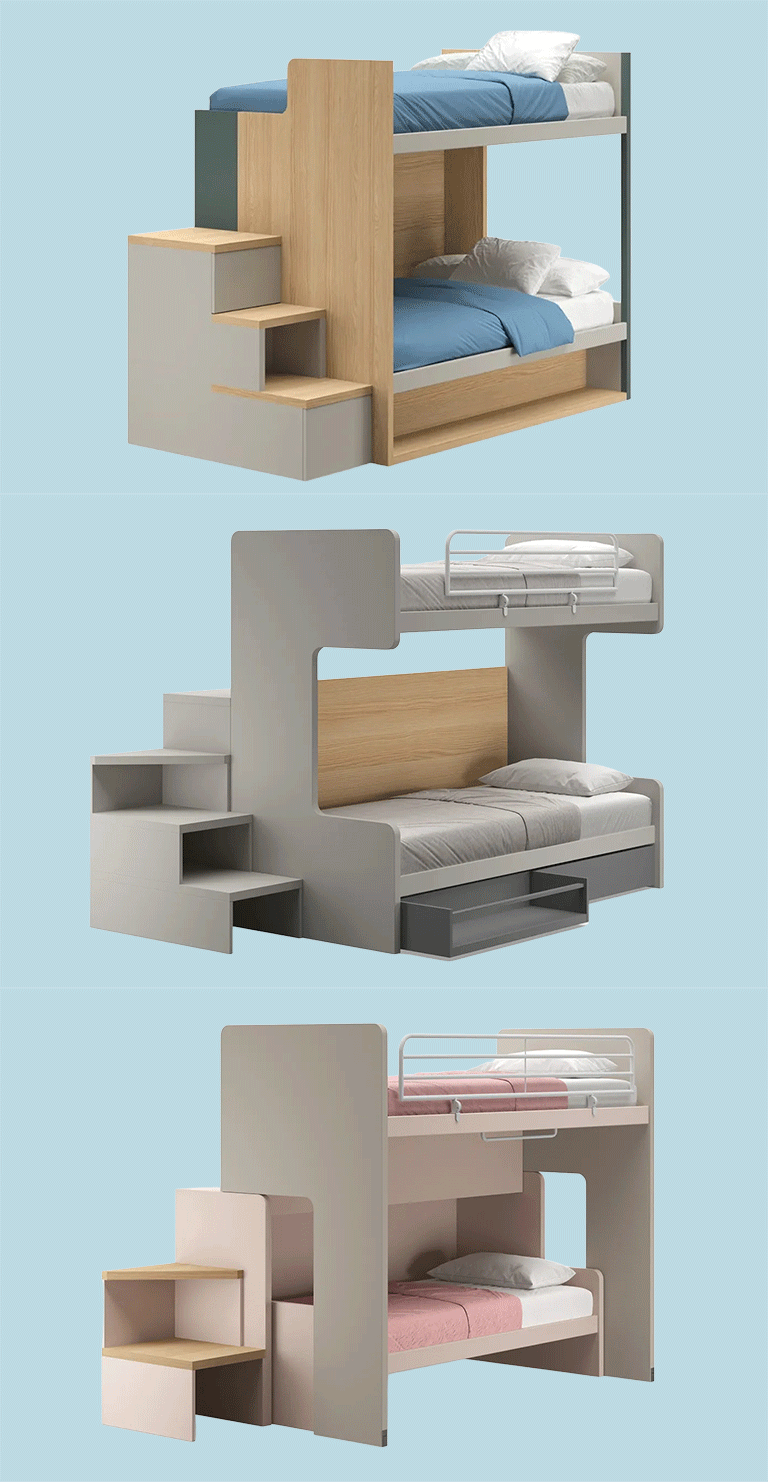
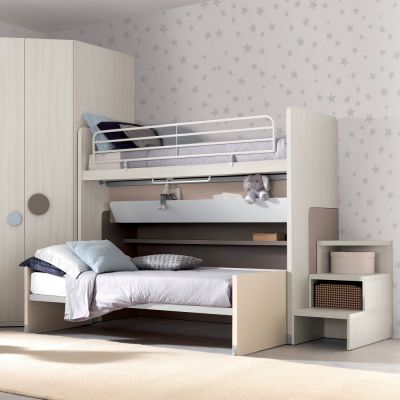
A bunk bed is an ideal solution for maximizing vertical space in a bedroom and adding two beds, leaving more space for play or study. More modern versions can integrate storage units, shelves, and other functional elements, creating complete and customizable compositions. Some models also feature sliding systems that reduce clutter during the day and free up valuable space for daily activities.
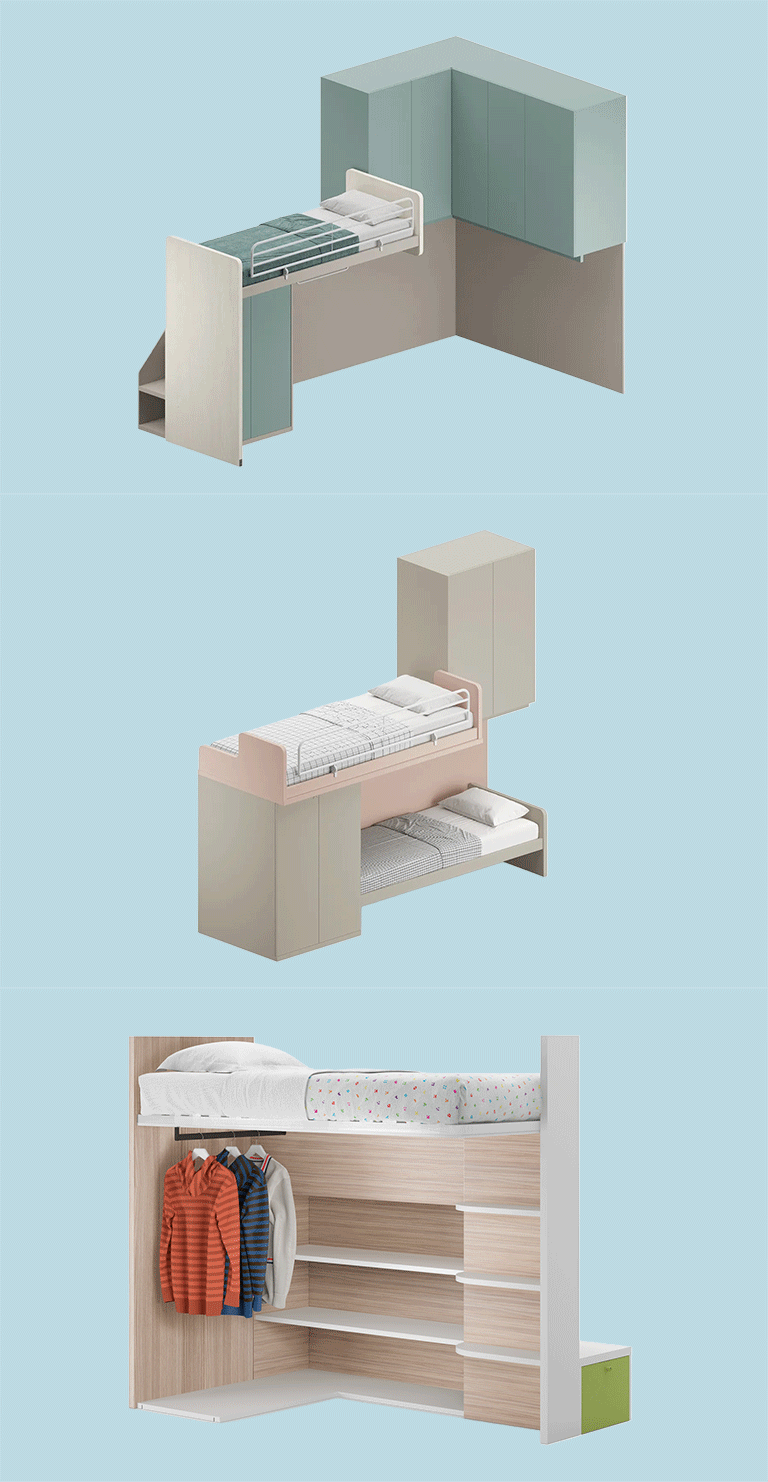
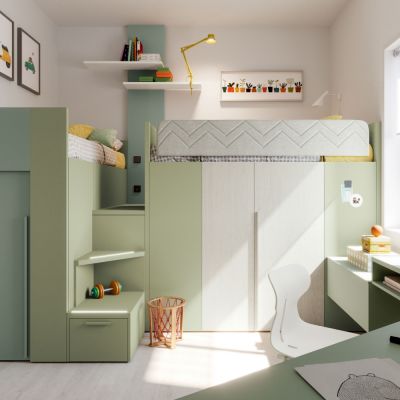
A loft bed takes advantage of the room's height to create a multifunctional space. The space beneath the sleeping area can be organized with a desk, bookcase, wardrobe, or storage solutions, transforming a single structure into a dedicated area for rest, study, and play. Corner configurations are particularly useful for making the most of tight spaces and creating personalized compositions that can be adapted to the family's diverse needs.
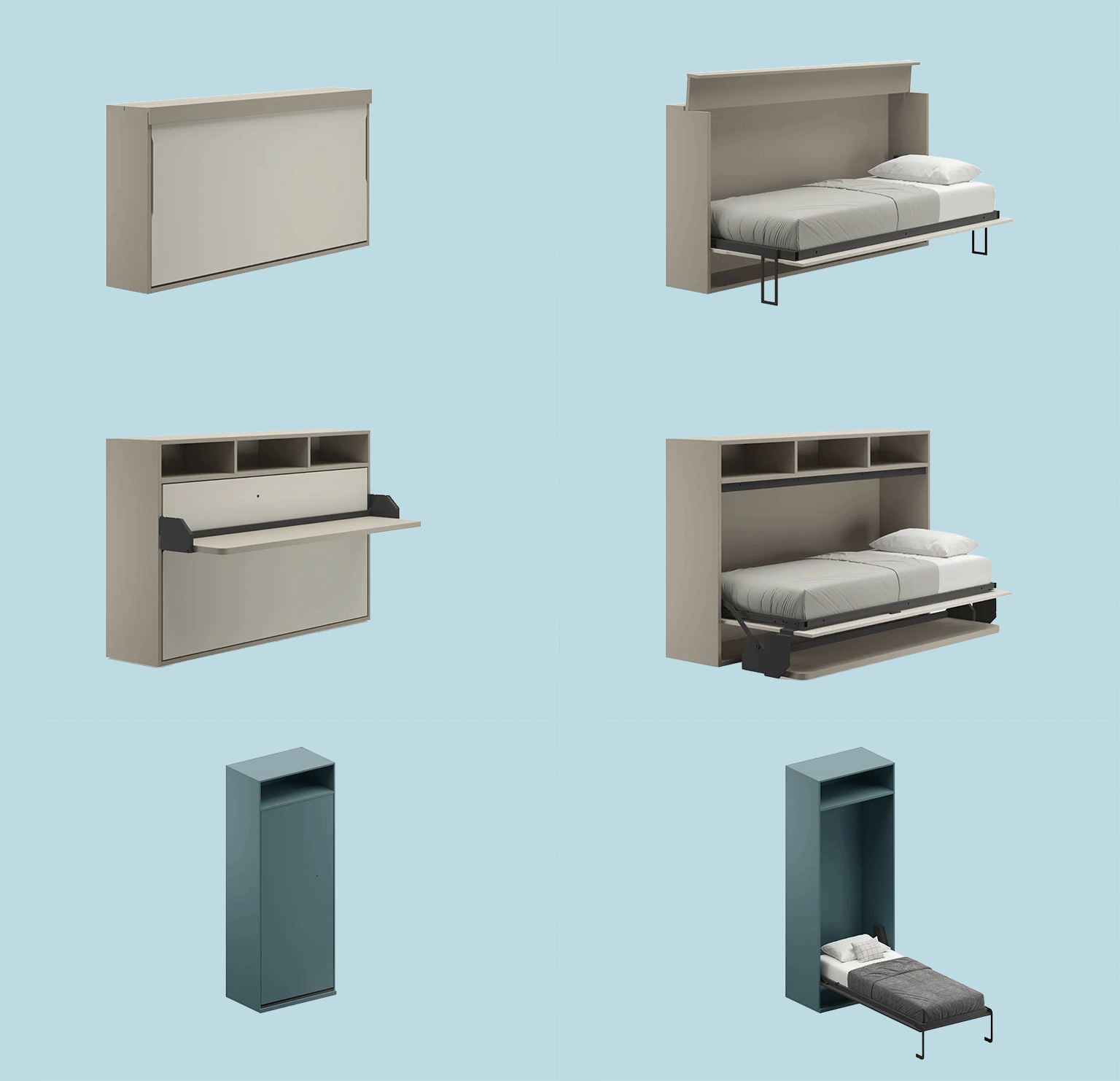
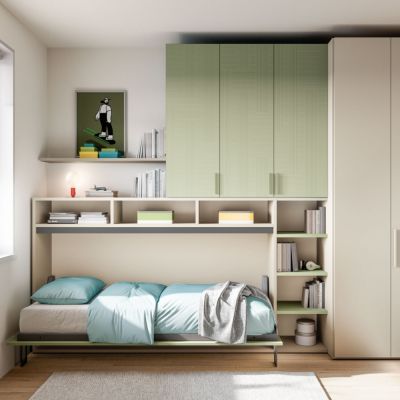
When every inch of a bedroom matters, Murphy beds optimize space and make the room more versatile. The bed is used only when needed, leaving the room free during the day for playing, studying, or other activities. They are ideal solutions for small or multifunctional bedrooms and can be integrated with wardrobes, bridge compositions, and other modular elements to create tidy and organized spaces.
During pre-adolescence and adolescence, the bedroom becomes increasingly personal. For this reason, it's best to avoid overly childish permanent decorations, allowing posters, textiles, paintings, wall colors, and lamps to express tastes and passions, easily updated over time. As children grow, the study area also takes on a central role: a functional desk, an ergonomic chair, proper lighting, and a well-organized bookcase transform the room into a space capable of accommodating every new need.
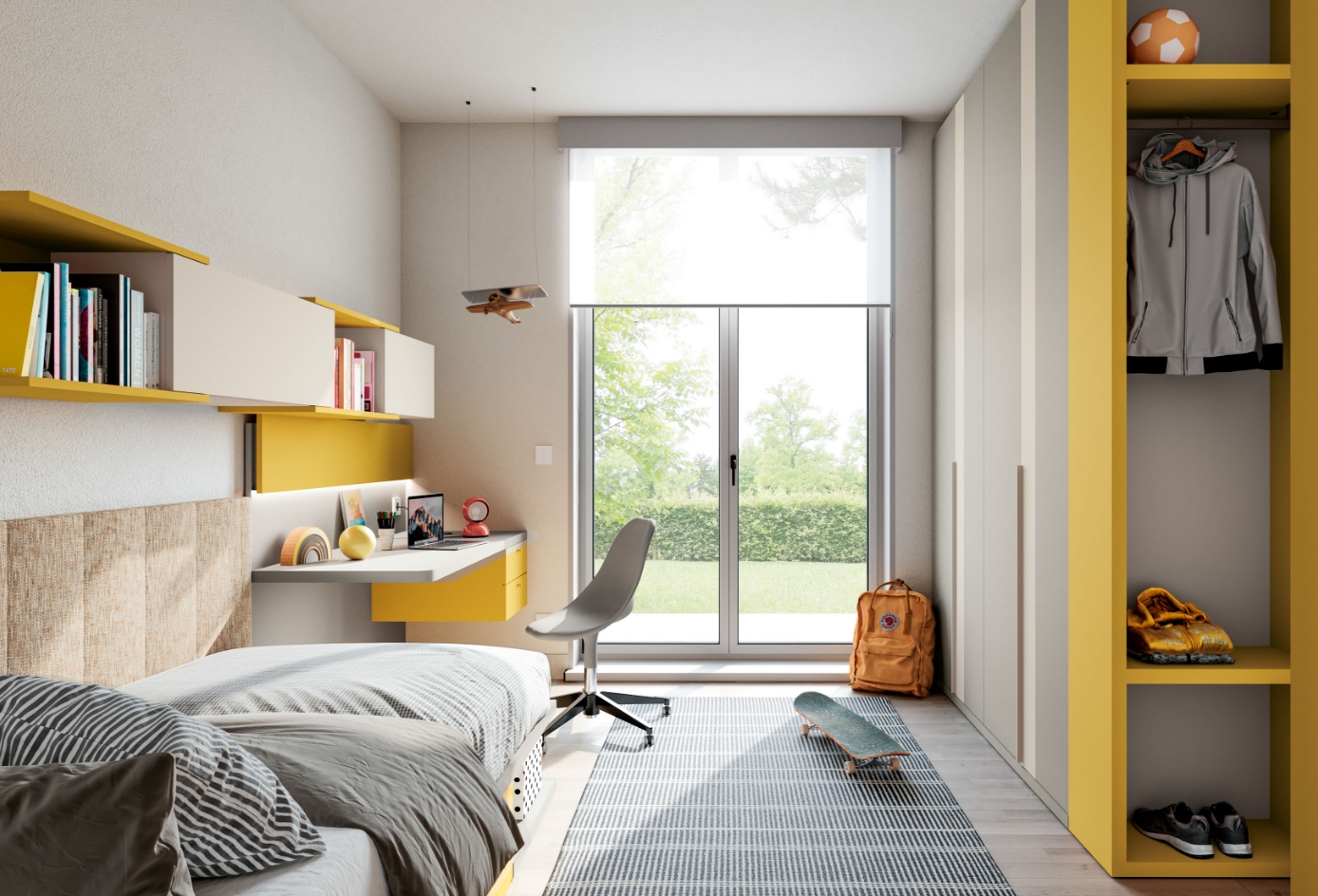
For a student, a desk at least 100-120 cm wide and 60 cm deep is recommended. If space permits, a larger surface area offers greater comfort for studying, using the computer, and keeping the desk tidy. To create a truly functional workstation, it's important to complement it with a home office chair , a good desk lamp , and, if necessary, a bookcase or storage units to keep materials close at hand.
| 10-14 years | 15-18 years | |
|---|---|---|
The bed remains a single (80x190 or 90x200 cm). Models with storage drawers or a pull-out second bed are ideal for hosting friends. | Bed | The bed retains its primary function, but also becomes a relaxation area: positioned along the wall and embellished with large cushions, it can transform into a comfortable daytime sofa. |
A functional desk (minimum depth 60 cm) allows for a start in using books, a PC, and a tablet. A wheeled drawer unit is useful for organizing school supplies. | Study area | The workspace expands (130-150 cm) to accommodate a computer, open books, and tech accessories. The seat becomes an ergonomic office or gaming chair. |
The game cabinets leave room for open bookcases, shelves, and open systems for displaying comics, collections, trophies, and personal items. | Organization | Organization becomes more essential: space for cable management, cable glands, hidden power strips and integrated solutions for managing technology and devices. |
Bed 10-14 years The bed remains a single (80x190 or 90x200 cm). Models with storage drawers or a pull-out second bed are ideal for hosting friends. 15-18 years The bed retains its primary function, but also becomes a relaxation area: positioned along the wall and embellished with large cushions, it can transform into a comfortable daytime sofa. |
Study area 10-14 years A functional desk (minimum depth 60 cm) allows for a start in using books, a PC, and a tablet. A wheeled drawer unit is useful for organizing school supplies. 15-18 years The workspace expands (130-150 cm) to accommodate a computer, open books, and tech accessories. The seat becomes an ergonomic office or gaming chair. |
Organization 10-14 years The game cabinets leave room for open bookcases, shelves, and open systems for displaying comics, collections, trophies, and personal items. 15-18 years Organization becomes more essential: space for cable management, cable glands, hidden power strips and integrated solutions for managing technology and devices. |
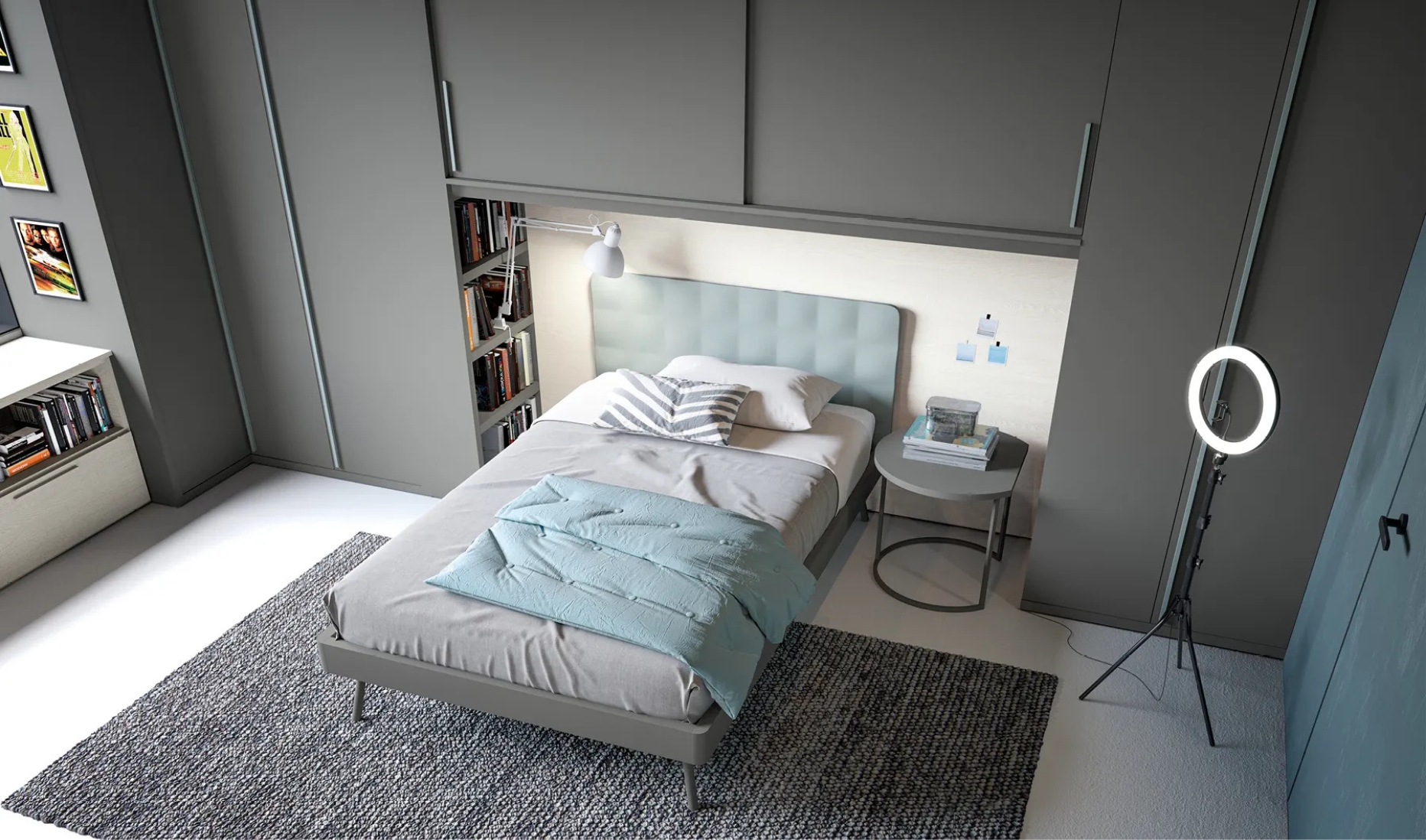
As children approach adulthood, their bedrooms change once again: they become a more personal space, capable of expressing their tastes, passions, and new needs. However, there's no need to completely overhaul them: often, just a few elements can transform their atmosphere. The bed can become larger, with a queen-size bed, while colors, textiles, lamps , and accessories help define a new style. The study area evolves with a larger desk and a home office chair , while bookcases and storage units find space for books, objects, and passions, from gaming to sports, from music to travel.
It's also a room to share with friends, where studying and relaxing can coexist. The advantage of a modular bedroom emerges precisely at this stage: often, simply updating a few elements is enough to transform the room without having to start from scratch.
If you need to furnish your professional activity, here is a space dedicated to you.
 Belgium
 Bulgaria
 Croatia
 Czech Republic
 Denmark
 Deutschland
 España
 Finland
 France
 Greece
 Hungary
 Ireland
 Italia
 Luxembourg
 Netherlands
 Österreich
 Poland
 Portugal
 Romania
 Slovakia
 Slovenia
 Sweden
 italiano
 english
 français
 deutsch
 español