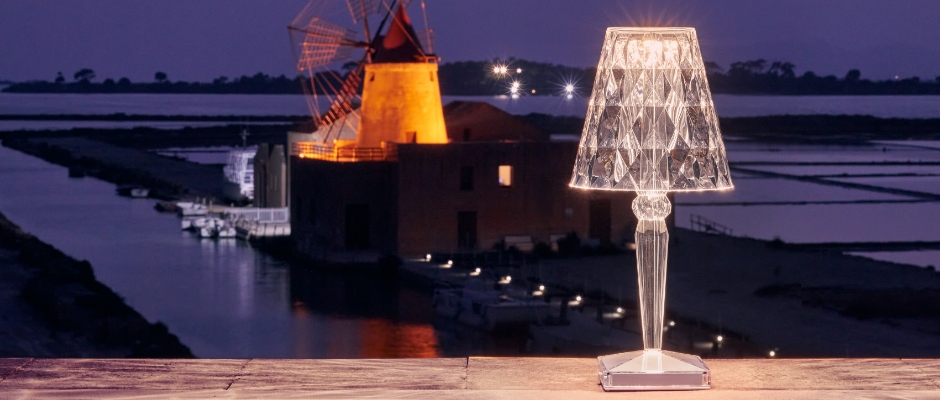
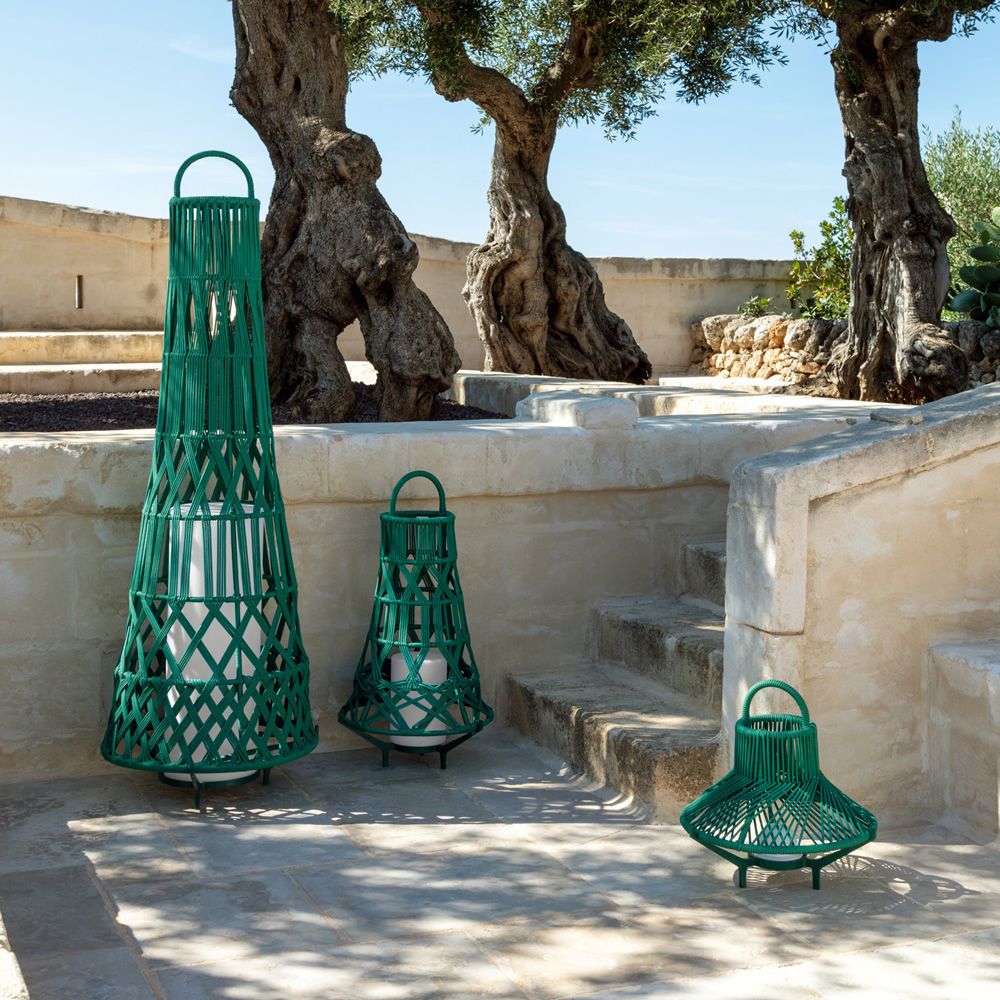
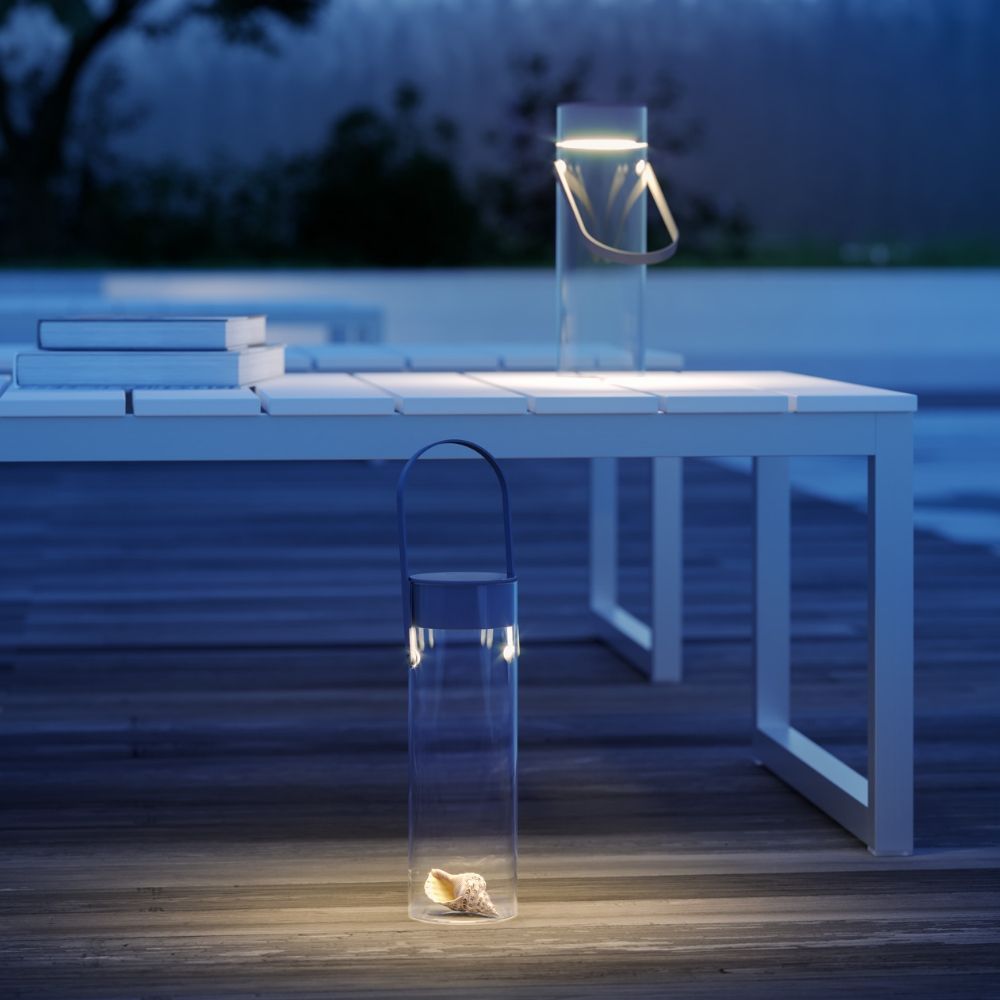
One of the peculiar aspects of outdoor lighting lies precisely in the technical characteristics: insulation from external agents, the possibility of adjusting the intensity or color of the light, low consumption. Even the apparently simplest lamps hide a hi-tech soul, which makes them suitable for being outdoors. Let's see together the most important features.
Isolation from external agents
The electronic components of outdoor lamps can have a more or less high level of protection, which isolates them from dust, humidity, splashes or immersion in water. The degree of protection is indicated with an acronym that varies from IP44 (protection against splashes), to IP67 (immersion-proof up to 30 minutes). Depending on where you want to put the lamp and how you want to use it, you need to evaluate this aspect.
Energy saving and sustainability
LED lamps have a decidedly higher yield than incandescent ones, both from an energy point of view and in terms of duration over time. In fact, LED light sources emit a more intense beam of light and use less energy.
Light temperature
Temperature indicates the heat of the light emitted by the light source and is measured in degrees Kelvin (K). The 2200-3300 K lamps are warm light, while the 3300-5500 K lamps are cold light.
Intensity and color of light
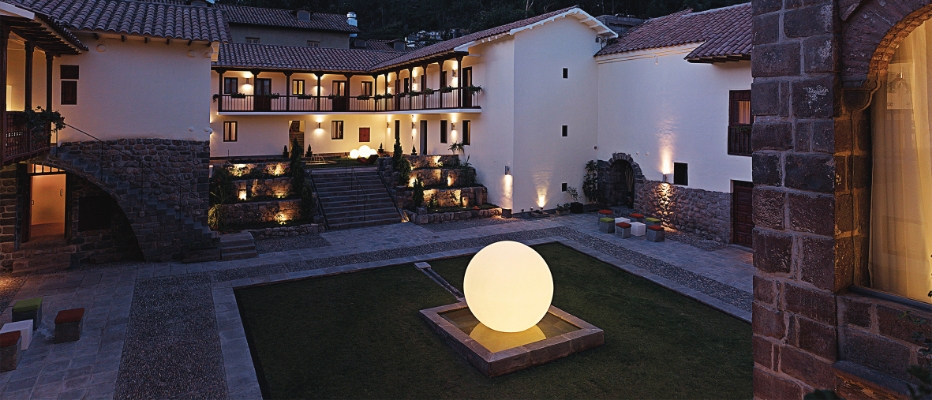
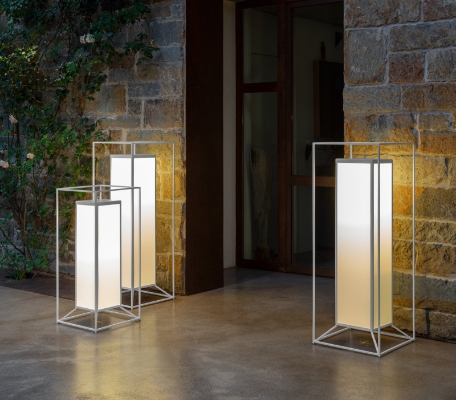
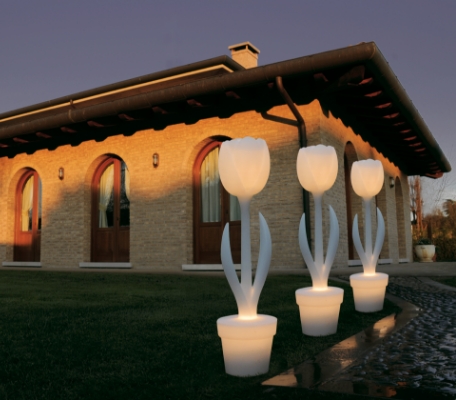
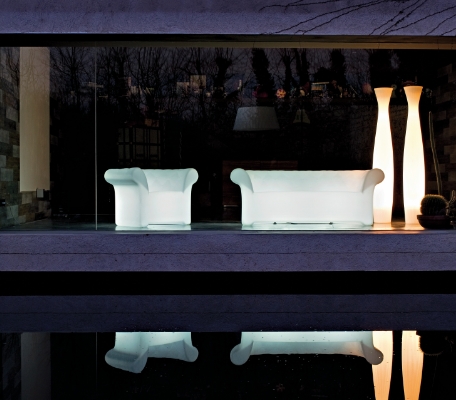
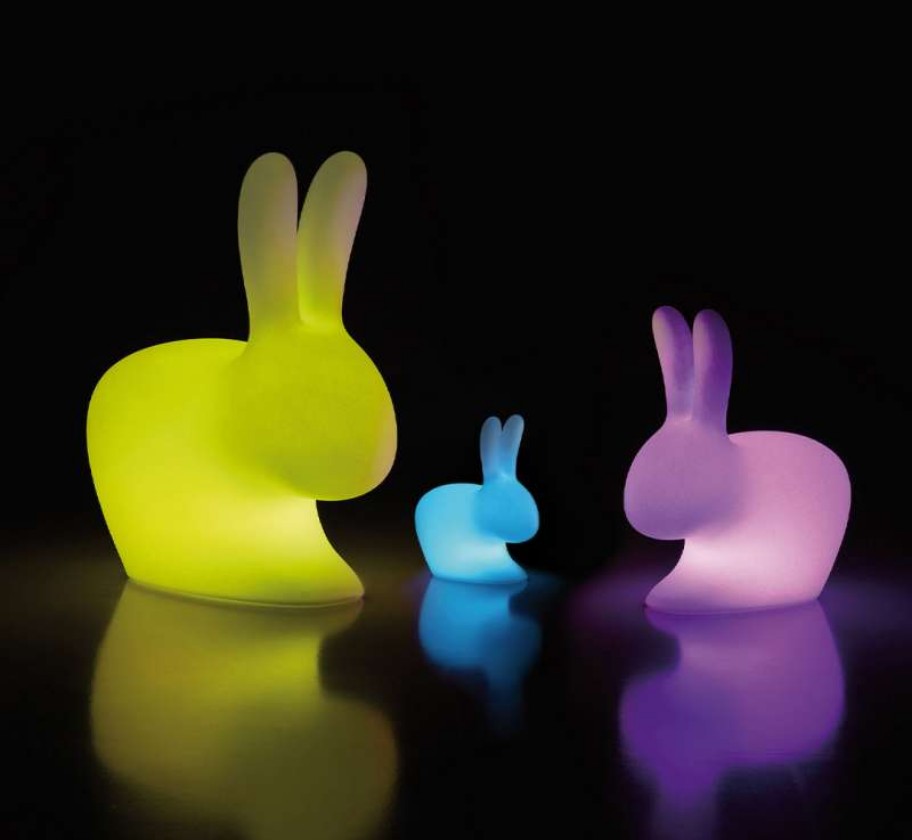
When it comes to outdoors, lighting is generally mood lighting, more subdued than that used in the interior rooms of the house. For this reason, designer outdoor lamps allow you to adjust the intensity of the light beam and match it with our best degree of well-being. Many models also allow you to change the color or temperature.




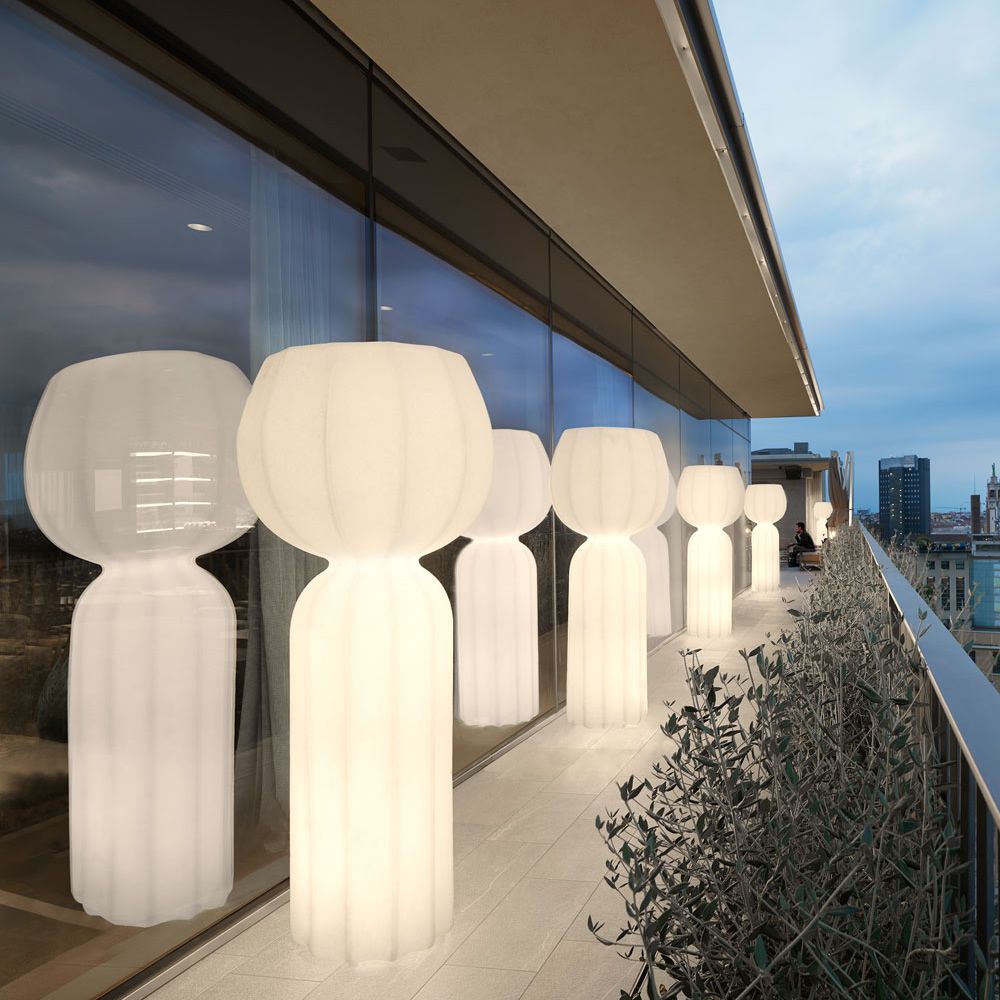
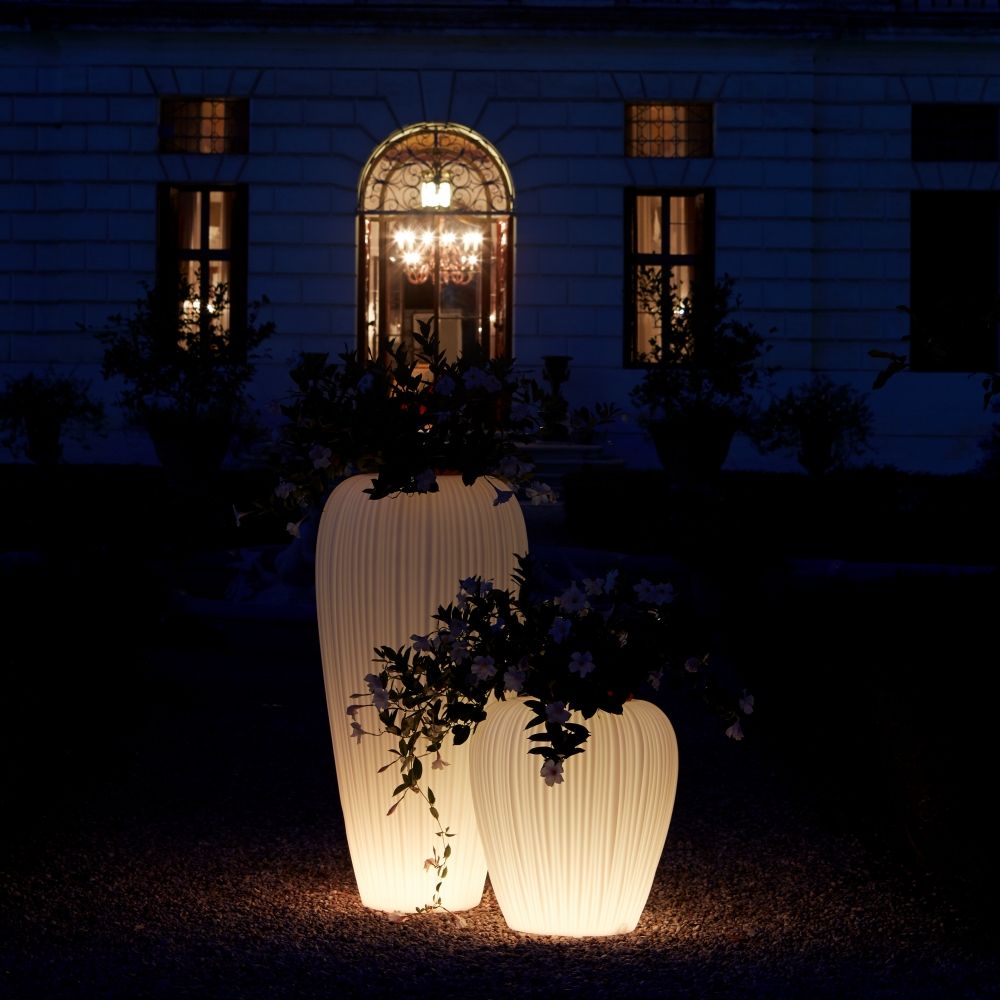
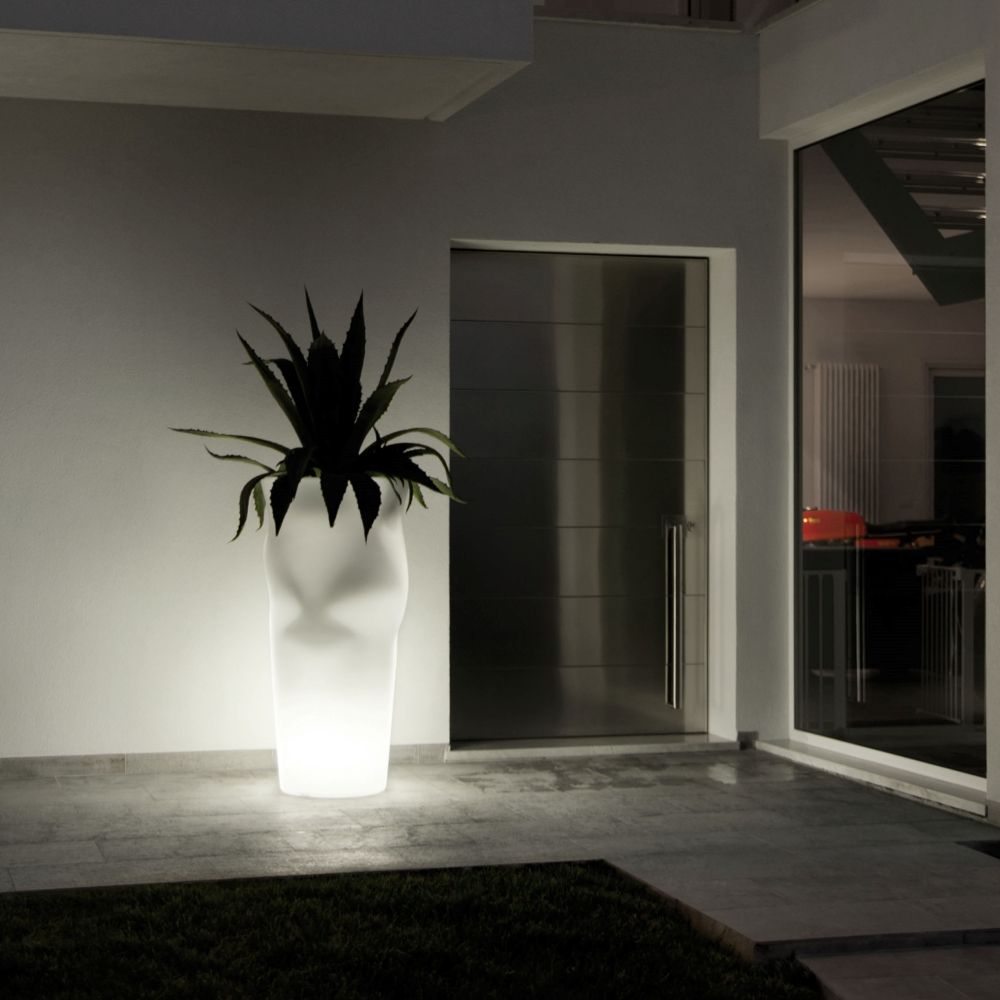
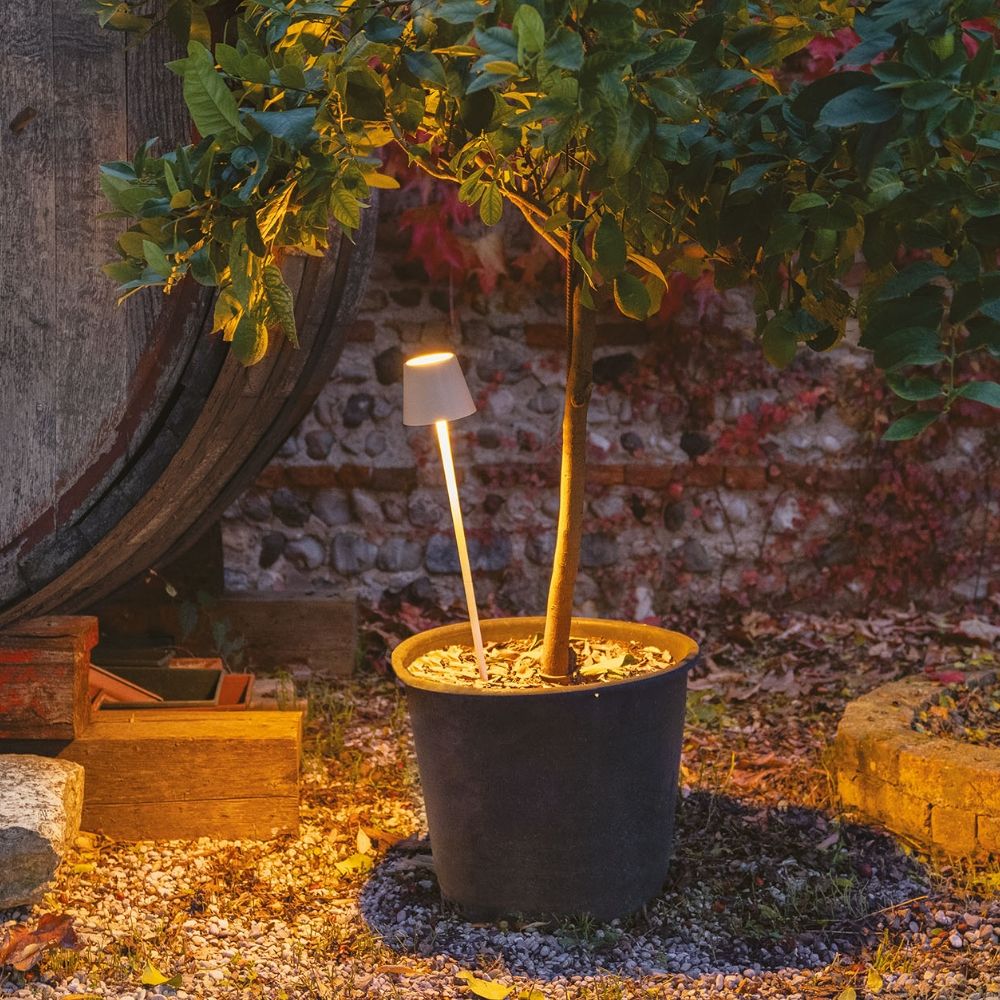
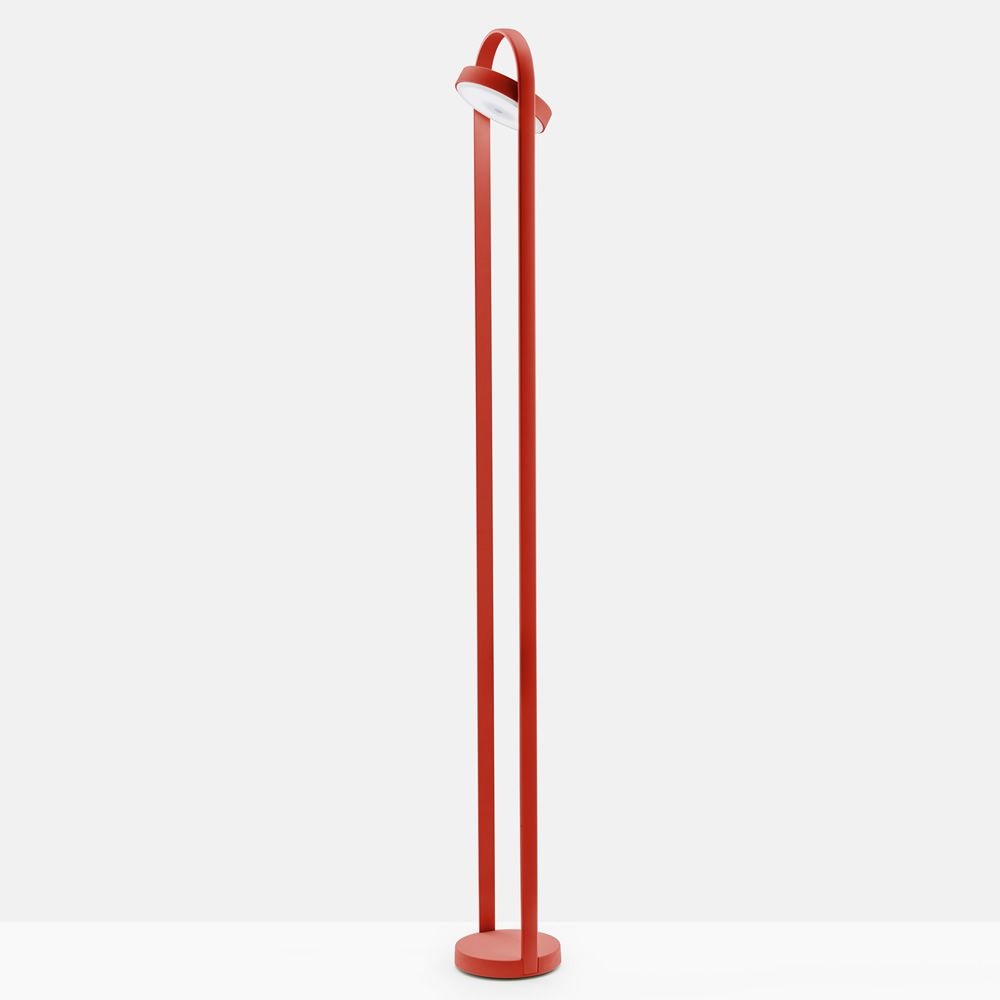
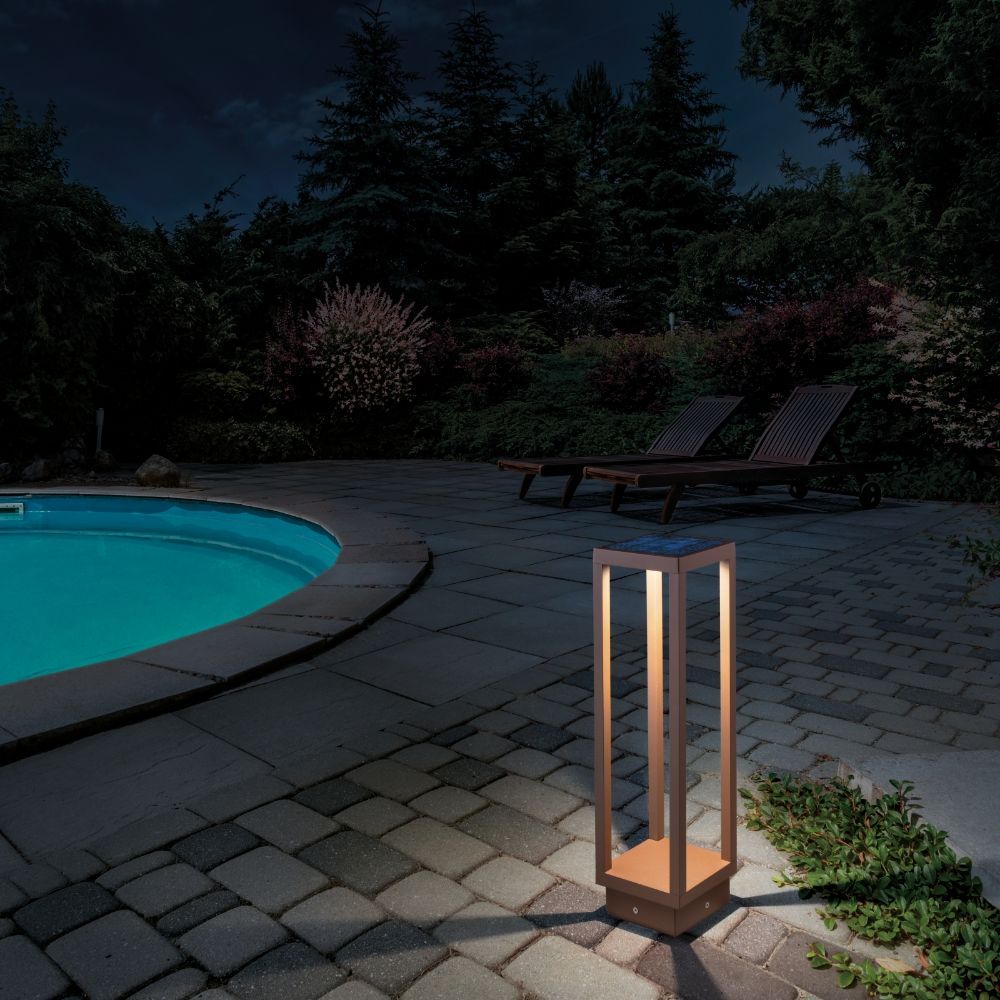
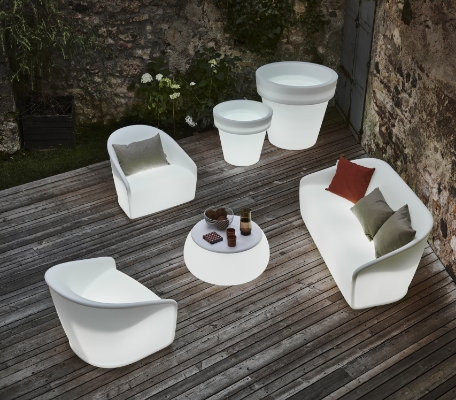
 Inspirations to light the way home




 Belgium
 Bulgaria
 Croatia
 Czech Republic
 Denmark
 Deutschland
 España
 Finland
 France
 Greece
 Hungary
 Ireland
 Italia
 Luxembourg
 Netherlands
 Österreich
 Poland
 Portugal
 Romania
 Slovakia
 Slovenia
 Sweden
 italiano
 english
 français
 deutsch
 español